

The 2027 Tour de France includes a thrilling Stage 2, spanning 223 kilometres from Keswick to Liverpool.
Below, find comprehensive details on the route, key features, viewing advice, and historical context.
2027 Stage 2 Route Overview:
Stage 2 of the 2027 Tour de France takes place on Saturday, 3 July, covering 223 kilometres from Keswick in Cumbria to Liverpool.
This stage forms part of the Grand Départ in Great Britain, following the opening stage from Edinburgh to Carlisle.
Riders set off from the northern edge of the Lake District National Park, heading south through some of England’s most dramatic landscapes before transitioning into rolling hills and urban approaches.
The route begins with a picturesque passage alongside lakes such as Thirlmere, Grasmere, Rydal Water, and Windermere, offering early tests with undulating roads.
After approximately 75 kilometres, the peloton reaches Lancaster, where the terrain shifts to more challenging profiles.
From there, it ventures into Lancashire, incorporating areas like the Forest of Bowland, the Trough of Bowland, and climbs such as the Côte de Jubilee Tower.
The stage includes five categorised climbs in total, making it suited to breakaway groups or aggressive riding from climbers seeking early points in the King of the Mountains classification.
As the route progresses, it passes through towns including Chorley, Blackburn, and Darwen, with sections that highlight Lancashire’s fells and coastal influences near Morecambe Bay.
The final kilometres lead through the boroughs of Knowsley and St Helens, culminating in a flat sprint finish along Liverpool’s iconic waterfront at The Strand.
This could favour sprinters if the peloton remains together, or reward a successful escape if the hills fragment the group.
Key statistics for the stage:
- Distance: 223 kilometres.
- Expected duration: Around 5-6 hours, depending on pace and conditions.
- Climbs: Five categorised, with gradients that challenge without being overly severe.
- Terrain breakdown: Early scenic and hilly sections, mid-stage rolling challenges, late flat urban roads.
This stage balances natural beauty with competitive intrigue, setting an engaging tone for the rest of the Tour.
Map of the Stage 2 Route: Keswick to Liverpool
The embedded map shows the full 223-kilometre trajectory.
It highlights the start in Keswick, key passages through Ambleside, Windermere, Milnthorpe, Lancaster, and the Forest of Bowland, before the approach to Liverpool.
Elevation profiles reveal the five climbs, with notable ascents in the Lancashire hills.
Highlights of the Stage
Several elements make Stage 2 stand out in the 2027 edition:
- Lake District Backdrop: The opening kilometres showcase the national park’s lakes and fells, providing stunning visuals for television broadcasts and a motivational start for riders. Areas around Grasmere and Windermere add a layer of historical charm, with roads that have hosted numerous cycling events.
- Challenging Climbs: The five categorised ascents, including the Côte de Jubilee Tower, offer opportunities for attacks. These hills, while not as brutal as Alpine passes, can create gaps and encourage tactical racing early in the Tour.
- Lancashire Variety: Passing through the Forest of Bowland, an Area of Outstanding Natural Beauty, the route mixes rural tranquillity with demanding gradients. Towns like Chorley gain global exposure, potentially boosting local cycling culture.
- Urban Sprint Finish: Ending on The Strand in Liverpool introduces a high-speed conclusion amid city landmarks. The flat final stretch along the waterfront could lead to a bunch sprint, with teams positioning their fast men for victory.
- Global Appeal: As part of the UK’s Grand Départ, this stage draws international attention, blending British landscapes with the Tour’s prestige. It also emphasises the event’s role in promoting active travel and tourism.
These features combine to create a stage that tests endurance while captivating audiences.

Best Places to View the Action
Choosing optimal locations along the route enhances the viewing experience.
Here are recommended areas, selected for accessibility, scenery, and race dynamics:
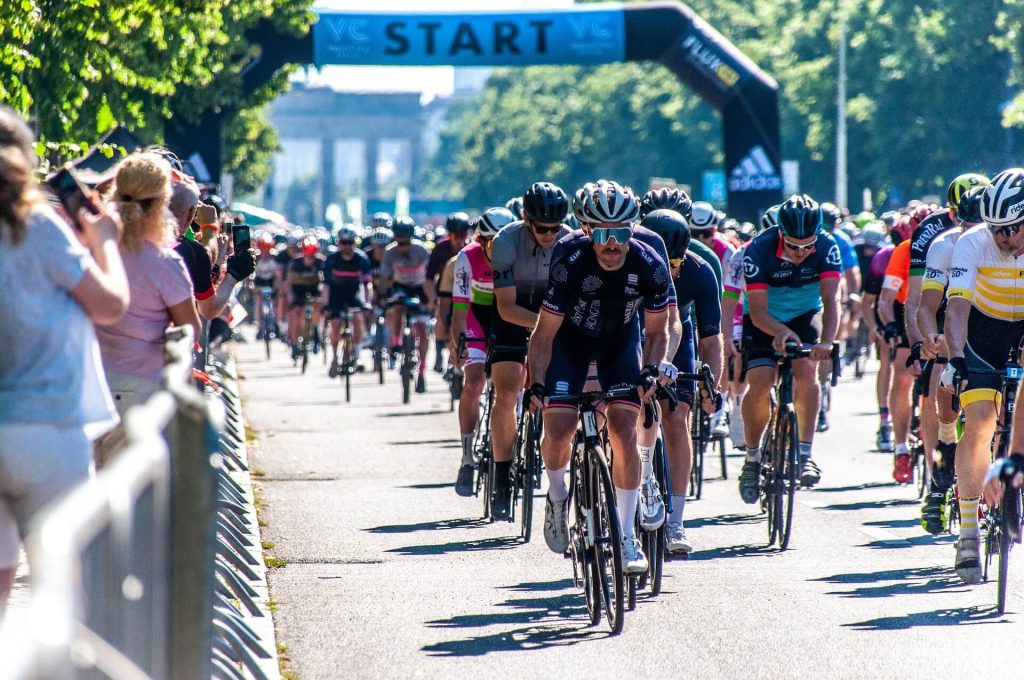
- Keswick Start Line: Position near the departure area in this vibrant town to catch the pre-race buzz, team presentations, and the initial rollout. Arrive early to secure a vantage point amid the festive atmosphere.
- Windermere Lakeside: Around the mid-early section, roads beside the lake offer beautiful panoramas. Spectators can line the A591 for views of riders against water and hills, ideal for photography.
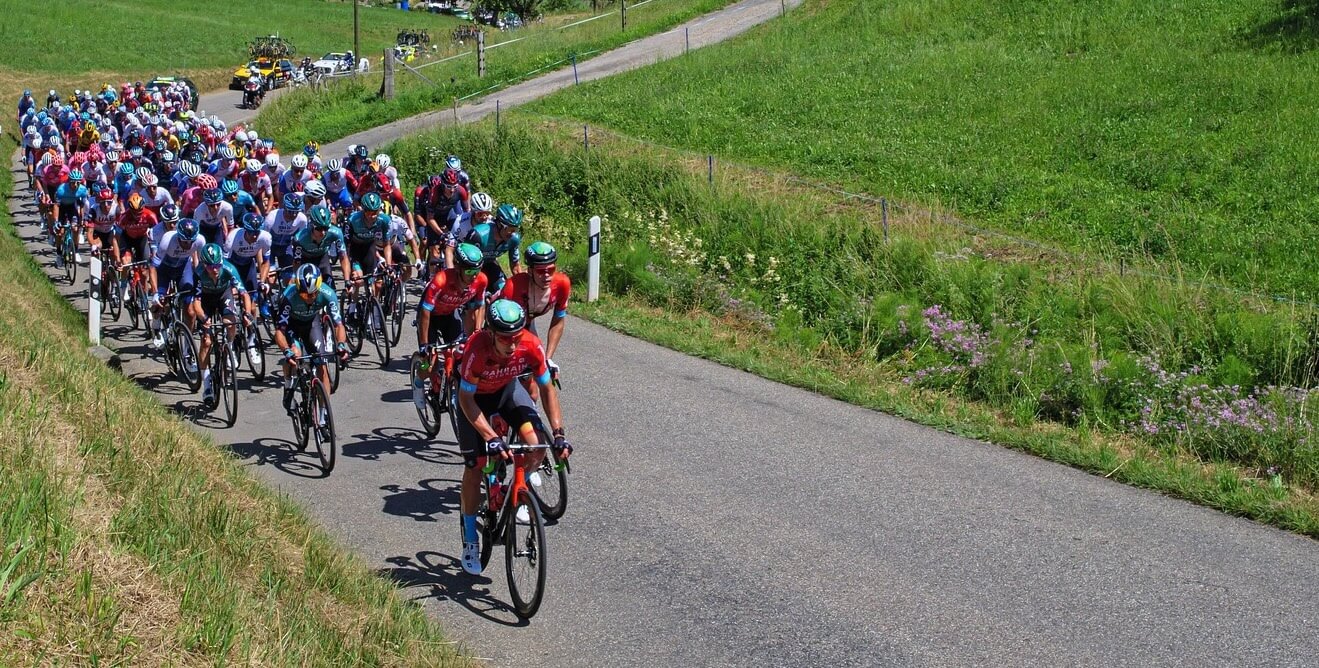
- Forest of Bowland Climbs: In Lancashire, the Trough of Bowland provides dramatic ascents where the peloton might splinter. Hillside positions allow observation of struggles on gradients, with fewer crowds than urban zones.
- Lancaster Approaches: After km 75, the area around the city offers roadside viewing with historical backdrops, such as the castle, and easier access via public transport.
- Liverpool Waterfront Finish: The Strand hosts the climax, with space for large crowds. Secure spots along the barriers to witness the sprint, surrounded by the city’s energy and landmarks like the Royal Liver Building.
These locations cater to different preferences, from serene rural settings to bustling finishes.
Related: What are the Best Places to Watch the Tour de France in The Lake District?
Tips for Spectators
Attending a Tour stage requires preparation to maximise enjoyment and safety.
Consider these practical suggestions:
- Plan transportation in advance, using trains or buses to avoid road closures; cycling to viewing areas can be efficient.
- Check weather forecasts and pack layers, rain gear, and sun protection, as conditions in the north can vary rapidly.
- Arrive several hours early—4 to 6 hours for popular zones—to claim prime positions, especially on climbs.
- Bring sufficient water, snacks, and a picnic, as facilities might be limited in remote sections.
- Stay informed via the official Tour app or radio for real-time updates on the caravan and peloton timings.
- Respect barriers and officials; keep children and pets secure, and avoid interfering with riders.
- Take all litter away to preserve the environments traversed.
- After the race passes, have an exit strategy to navigate crowds and reopened roads.
Why the Tour is So Exciting to Watch Live?
Experiencing the Tour live transcends watching on screen.
The atmosphere builds with the publicity caravan preceding the riders, distributing souvenirs and energising crowds.
Helicopters overhead signal the approaching peloton, creating anticipation.
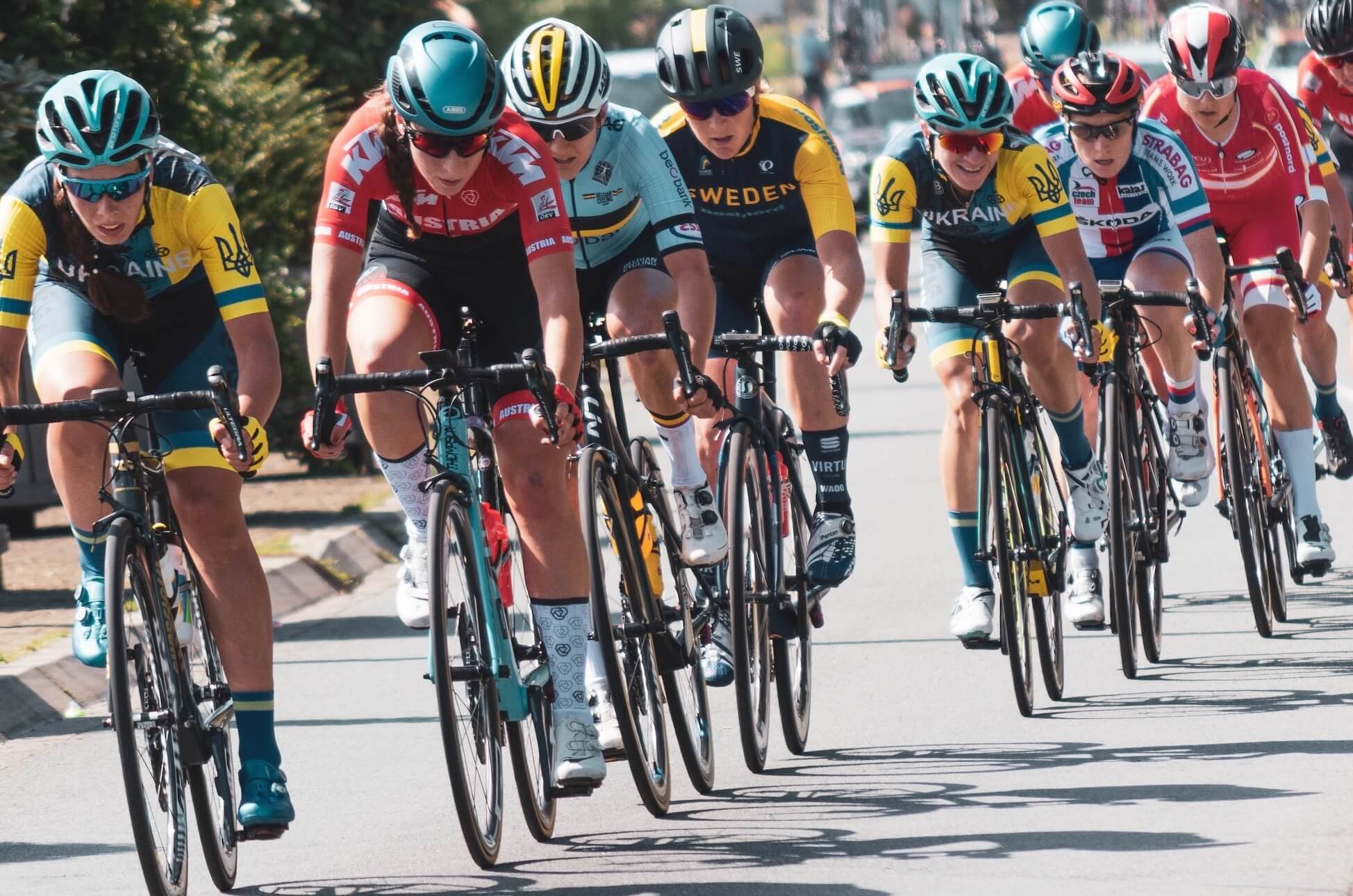
Up close, the speed and effort become tangible—riders powering up hills, wheels whirring at 50 km/h on flats.
Breakaways add drama, with chases and tactics unfolding in real time.
Crashes, though rare, highlight the sport’s risks, while competitors’ etiquette showcases professionalism.
Communities along the route transform: villages host parties, fans wave flags and ring cowbells, creating a carnival vibe.
Celebrities often appear, and amateur cyclists ride sections before the event.
Free entry makes it accessible, blending elite sport with holiday spirit.
The History of the Tour de France in the UK
The Tour’s visits to Britain have evolved from brief forays to major spectacles.
In 1974, a single stage occurred on the Plympton bypass near Plymouth, marking the first crossing of the Channel.
By 1994, the race expanded with stages from Dover to Brighton and a circuit in Portsmouth, introducing more riders to English roads.
The 2007 Grand Départ in London featured a prologue time trial and a stage to Canterbury, drawing enormous crowds and boosting the event’s profile.
In 2014, Yorkshire hosted three stages: Leeds to Harrogate, York to Sheffield, and Cambridge to London.
Massive spectator numbers—estimated at 4.8 million—along hillsides created iconic scenes, inspiring a cycling boom.
The 2027 edition marks the third Grand Départ in the UK, uniquely spanning Scotland, England, and Wales.
This progression reflects growing enthusiasm, with each visit leaving legacies in infrastructure and participation.
Related: Lake District Tour de France Accommodation

Where to Stay to Be Close to the Action
The White Water Hotel offers an excellent option in the southern Lake District.
Situated in Lakeland Village, Newby Bridge, it lies just a short drive from Windermere, placing guests conveniently for the Lake District stages.
The hotel, housed in a converted Victorian cotton mill and former Dolly Blue pigment factory, provides spacious rooms for restful nights after event days.
Amenities include the Cascades Health Spa for relaxation, a fitness area to maintain routines, and riverside views from the Dolly Blue Bar, perfect for casual drinks overlooking the water.
Dining options feature the Riverside Restaurant with seasonal British menus, and the Lounge Bar for snacks and wines.
Click here to book your stay. We expect to sell out very, very early for this weekend!
Final Notes On the 2027 Tour de France Stage 2
This stage encapsulates the Tour’s essence: demanding racing amid inspiring settings.
From the lakes of the Lake District to Liverpool’s streets, it promises competition and spectacle.
Prepare thoroughly, respect locales, and embrace the communal joy.
With the UK’s hosting history, 2027 adds another chapter—mark calendars for an unforgettable event.
