


Long summer evenings in the Lake District are hard to beat, with golden light on the fells, calm water on the lakes and the smell of bracken in the air.
On some of those evenings, though, a cloud of tiny insects arrives to share the view.
Midges are a well-known part of summer in the Lakes, and a little knowledge goes a long way in keeping them at bay.
This guide covers what midges are, when and where they are at their worst, how they compare with mosquitoes and the simplest ways to avoid being bitten.
It also explains how to treat a bite, so a few itchy bumps never spoil a holiday.

Are There Midges in the Lake District?
Midges live across much of upland Britain, and the Lake District gives them plenty of what they like: damp ground, bogs, bracken, woodland and sheltered valleys with still air.
The good news is that the Lake District is generally far less troubled by midges than the west coast of Scotland.
The Highlands have huge areas of wet peat and moorland where midge larvae thrive, which is why Scotland has such a reputation.
In the Lakes, midges can be a nuisance on calm, damp evenings in certain spots, but many summer days pass with hardly a bite at all.
What Are Midges?
Midges are tiny flies, usually only one to three millimetres long. Dozens of species occur in the UK, but only a handful bite people.
The best-known is the Highland midge (Culicoides impunctatus), which is the main culprit in northern and western Britain, including Cumbria.
Only female midges bite. They need a meal of blood to produce their eggs, while the males feed on plant nectar.
Females find people by sensing the carbon dioxide we breathe out, along with body heat and natural skin odours.
Once one midge finds a target, it releases a scent that draws others in, which is why a single midge quickly turns into a swarm.
Midges lay their eggs in wet soil, moss and boggy ground. The larvae spend most of the year in that damp ground before emerging as adults in late spring and summer, sometimes in vast numbers.

When Is Midge Season in the Lake District?
Midge season usually runs from late May or June through to September, with numbers often peaking in July and August.
The exact timing shifts a little each year depending on the weather, and a mild, wet spring can bring them out earlier.
Time of day matters just as much as time of year. Midges are most active at dawn and dusk, when the air is still and humid.
They also come out on dull, overcast days with little wind. In bright sunshine and in the middle of a dry, warm afternoon, they tend to stay hidden in vegetation.
Wind is their biggest weakness. Midges are such weak fliers that even a light breeze of around five to seven miles per hour is usually enough to ground them.
Heavy rain also keeps them away, although the damp, still conditions just after a shower can bring them straight back out.

Where Are Midges Worst in the Lake District?
Midges gather wherever the air is still, and the ground is damp.
The places most likely to bring a swarm include:
- Woodland and forest edges, where trees block the wind.
- Valley bottoms and sheltered dales, especially on calm evenings.
- Lakeshores and riverbanks at dusk, when the wind drops and the water is flat.
- Boggy ground and areas of bracken, where the larvae develop.
- Campsites in sheltered spots, where people sit still outside at dawn and dusk.
On the other hand, open fell tops, exposed ridges and breezy shores are often almost midge-free, even at the height of summer.
Busy towns and villages such as Windermere, Bowness, Ambleside and Keswick are rarely badly affected either.
Out on the water, a boat trip on Windermere usually catches enough breeze to keep midges away entirely.
Midges vs Mosquitoes: What’s the Difference?
Midges and mosquitoes are both small biting flies, and both rely on the females drinking blood to lay eggs.
They behave quite differently, though.
Size: Midges are tiny, often barely visible until they land.
Mosquitoes are several times larger, with long legs and a slender body that is easy to spot.
How they bite: Mosquitoes pierce the skin with a long, needle-like mouthpart and draw blood from a vessel.
Midges have short, cutting mouthparts that slice the skin and feed from the small pool of blood that forms.
Sound: Mosquitoes make the familiar high-pitched whine near your ear.
Midges are almost silent, so the first sign is often the itch.
Numbers: A mosquito usually turns up alone or in small numbers.
Midges arrive in swarms that can number in the hundreds or thousands.
The bite itself: Midge bites are small, red and itchy, and the sheer number of them is what makes them so irritating.
Mosquito bites tend to be larger, raised lumps that can stay itchy for several days.
Health risk: In the UK, neither midges nor mosquitoes spread disease to people.
Midges can carry certain viruses that affect livestock, but they pose no such risk to visitors.

Are There Mosquitoes in the Lake District?
There are, although most visitors never notice them. Over 30 species of mosquito are native to the UK, and some live in Cumbria, mostly around ponds, marshes and slow-moving water.
Mosquitoes in the Lake District are far less common and far less of a nuisance than midges.
Bites tend to happen on warm, still evenings near standing water, and occasionally indoors at night if windows are left open.
As with midges, there is no risk of catching diseases such as malaria from mosquitoes in the UK.
Do Midges Bite Through Clothes?
For the most part, no. Midges are too small and their mouthparts too short to bite through most fabric, especially anything tightly woven.
Long sleeves and trousers are one of the simplest ways to protect yourself. The catch is that midges are so small they find their way into any gap.
Cuffs, collars, ankles, the hairline and behind the ears are their favourite targets. Loose-weave clothing can also let them through.
Tucking trousers into socks, wearing a collar and choosing tightly woven fabrics all make a real difference.

Avoiding Midge Bites
A few simple habits keep most midge bites at bay:
- Use a proven repellent. Products containing DEET, icaridin (also called picaridin) or Saltidin are the most effective. Smidge, which was developed specifically with Scottish midges in mind, is widely sold in outdoor shops across the Lake District. Reapply as directed, especially after sweating or swimming.
- Cover up. Long sleeves, long trousers and socks leave midges far less skin to target.
- Wear light colours. Midges are drawn to dark colours, so pale clothing helps.
- Pack a head net. For walkers, campers and anglers heading into sheltered spots in July and August, a fine mesh head net is cheap, light and very effective.
- Choose breezy routes. On calm days, head for open ridges and fell tops rather than woodland and valley floors.
- Plan around dawn and dusk. Save sheltered walks for the middle of the day, and head inside or into the breeze as the evening draws in.
- Keep moving. Midges find it harder to settle on people who are walking than on people sitting still.
- Close windows at dusk. Shutting windows in the evening, or keeping lights off when they are open, stops midges and mosquitoes from coming indoors.
Many people swear by home remedies such as certain bath oils or eating garlic, but the evidence for these is weak.
A tested repellent and sensible clothing are far more reliable.
What to Do if You Get Bitten by a Midge
Most midge bites are a minor irritation that settles within a few days.
To ease the itch and help them heal:
- Wash the area with soap and water.
- Apply a cold compress, such as a cloth soaked in cold water, to reduce swelling.
- Try not to scratch. Scratching makes the itch worse and can break the skin, which raises the risk of infection.
- Use an anti-itch treatment. A pharmacist can recommend creams, such as mild hydrocortisone, or antihistamine tablets to calm the itching.
- Try a bite relief gadget. Heat pens, such as BiteAway, warm a small tip to around 51°C for a few seconds, which helps stop the itch. Cheaper click devices give a tiny electric pulse instead, though there is less evidence they work.
Speak to a pharmacist or GP if a bite becomes very swollen, painful or hot, if there are signs of infection such as pus, or if a large area of skin reacts.
Call 999 straight away if anyone has signs of a severe allergic reaction, such as difficulty breathing or swelling of the face, lips or throat. This is very rare with midge bites.
Visiting the Lake District in Midge Season
Midges are no reason to miss the Lake District in summer. Long days, warm evenings, and lush green fells make it one of the best times of year to visit, and with a little planning, the midges barely register.
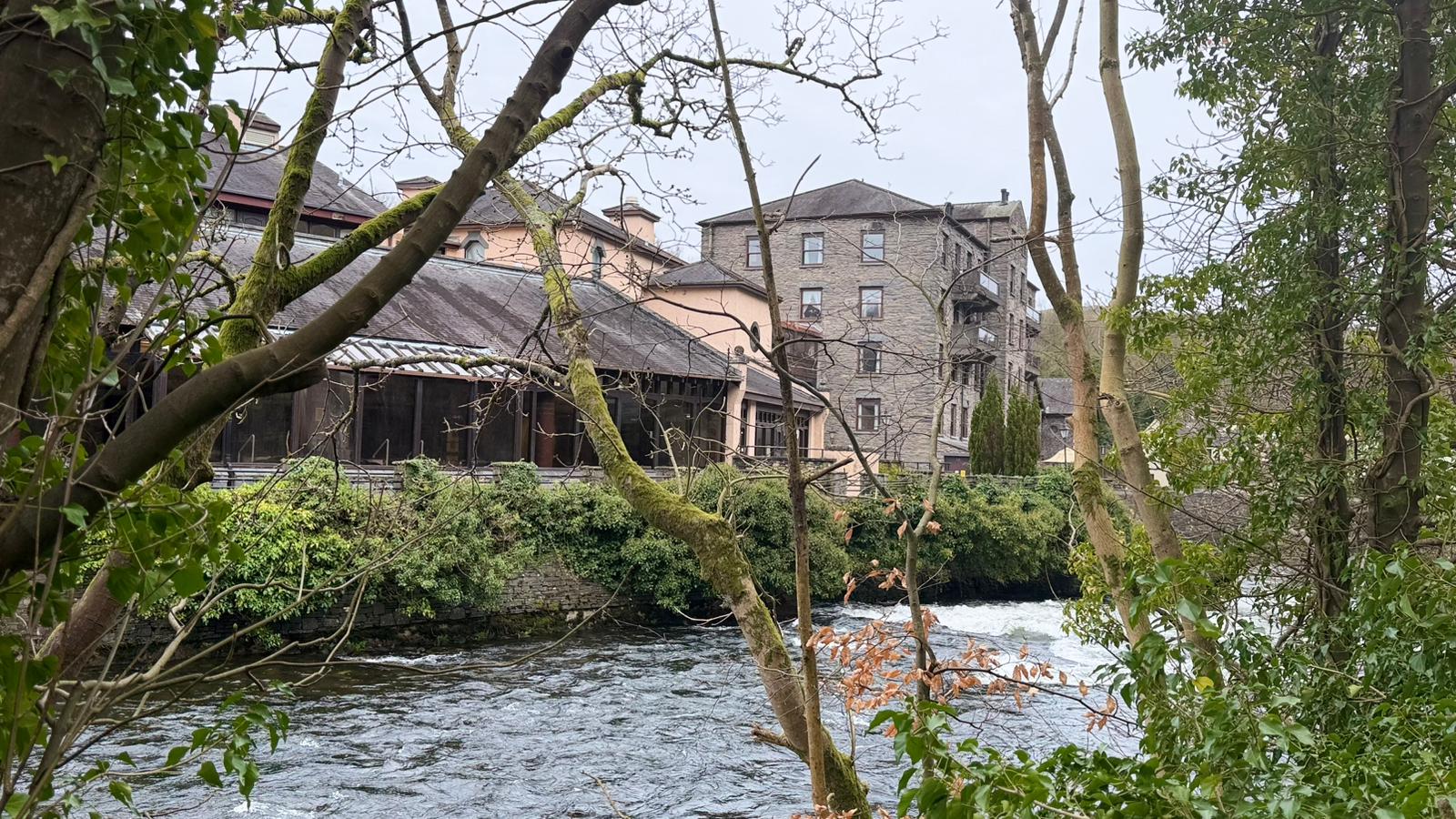
The Whitewater Hotel in Backbarrow, beside the River Leven near Newby Bridge, makes an ideal summer base. After a day on the fells, the spa and leisure facilities are the perfect place to unwind.
Dinner in the Riverside Restaurant means a relaxed evening indoors when the midges are at their busiest.
The southern end of Windermere is just a short drive away, with lake cruises from Lakeside that catch the breeze on the open water.
The Lakeside and Haverthwaite Railway is right on the doorstep, and Grizedale Forest, Cartmel and the Furness peninsula are all within easy reach for a full day out.
Click here to book your stay at The Whitewter Hotel…
Final Notes on Lake District Midges
Midges are a small part of a Lakeland summer, and they are far easier to manage than their reputation suggests.
Knowing that they love still, damp, shady spots at dawn and dusk, and that a breeze, sunshine and a good repellent keep them away, is usually enough to avoid the worst of them.
Pack a repellent, bring long sleeves and plan sheltered walks for the middle of the day.
That way, the Lake District in summer will be remembered for its views rather than its bites.
