


Discovering the Wildlife of the Lake District:
The Lake District, with its breathtaking landscapes of rugged fells, deep lakes, and ancient forests, is a paradise for outdoor enthusiasts and a haven for wildlife.
This UNESCO World Heritage site boasts a rich tapestry of ecosystems that support an incredible array of animals.
From the majestic red deer roaming the hillsides to the elusive otters gliding through crystal-clear waters, the Lake District offers wildlife enthusiasts a treasure trove of natural wonders to explore.

What Animals Live in the Lake District?
The Lake District is home to a diverse range of wildlife across its varied landscapes.
Key mammals include red deer, otters, red squirrels, and badgers.
The skies are graced by birds such as ospreys and peregrine falcons, as well as various waterbirds like great-crested grebes and kingfishers.
In the lakes and rivers, you’ll find fish species like Arctic char and Atlantic salmon, while amphibians such as great-crested newts inhabit the wetlands.
The region is also essential for insects, including rare butterflies like the high brown fritillary.
Conservation efforts are ongoing to protect these species and their habitats.
Popular wildlife-watching spots include Haweswater for red deer, Derwentwater for otters, and Grizedale Forest for red squirrels.
Visitors are encouraged to observe wildlife responsibly to help preserve the Lake District’s rich biodiversity.
Wildlife You Can Spot in The Lake District National Park
Data based on records from Cumbria Wildlife Trust and Lake District National Park Authority. Always observe wildlife responsibly.

Mammals of the Lake District
The Lake District’s varied terrain provides ideal habitats for numerous mammal species.
Perhaps the most iconic is the red deer, Britain’s largest land mammal.
These magnificent creatures are often spotted in the eastern fells, particularly during the autumn rutting season, when stags bellow their haunting calls across the valleys.
Otters, once on the brink of extinction in England, have made a remarkable comeback in the Lake District.
These playful and intelligent animals can be seen in many of the region’s waterways, from the shores of Derwentwater to the quieter stretches of the River Rothay.
The Lake District is also one of the last strongholds for the endearing red squirrel.
These native squirrels, with their distinctive ear tufts and russet coats, face competition from the introduced grey squirrel but are thriving in areas like Grasmere and Hawkshead.
Badgers, though nocturnal and often elusive, are another important part of the Lake District’s mammalian fauna.
These striped-faced creatures play a crucial role in the ecosystem, and their presence indicates a healthy environment.
For the lucky few, a glimpse of a pine marten might be possible.
These rare and beautiful members of the weasel family have been slowly recolonising parts of the Lake District, offering hope for the future of this endangered species.
The smaller, more widespread roe deer is also frequently encountered in woodlands and along the edges of farmland, especially at dawn and dusk.
Red foxes are another common sight, often spotted trotting across fields or near villages as evening falls.
For those exploring at twilight, several species of bat — including the common pipistrelle — can be seen hunting insects over the lakes and rivers.
Hedgehogs, though increasingly rare, still inhabit gardens and woodland fringes in many parts of the Lake District.
Related: Activities in Hawkshead
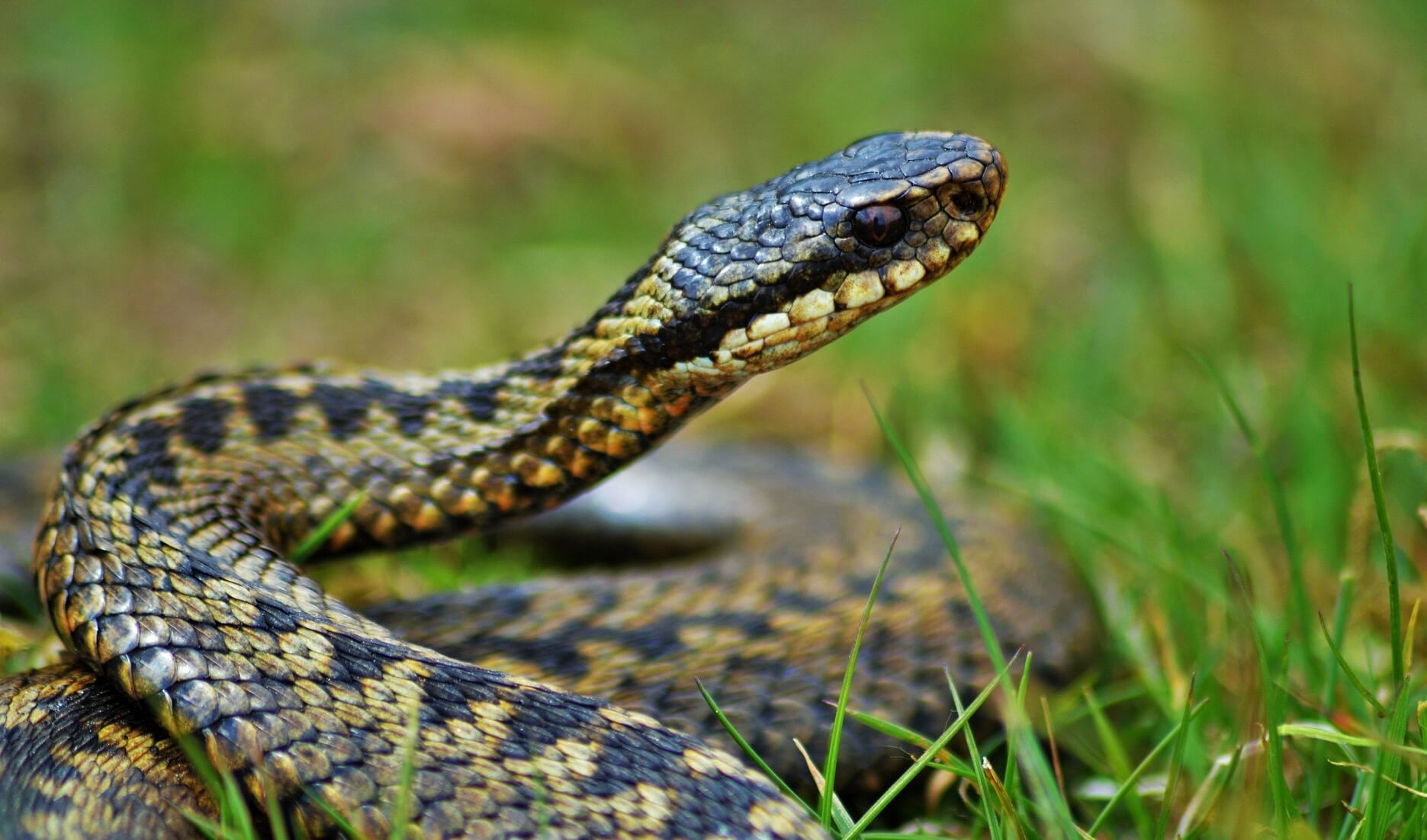
Reptiles in the Lake District
The Lake District’s heaths, woodlands and wetland edges also support a number of reptiles.
The adder, Britain’s only venomous snake, can occasionally be seen basking on sunny rocks or paths during spring and summer — always admire from a respectful distance.
The common lizard is more frequently spotted darting through undergrowth or basking on stone walls on warm days.
You may also encounter the harmless slow worm (actually a legless lizard) in grassy habitats, and the grass snake, which is often found near ponds and marshes where it hunts amphibians.

Birds in the Lake District
The skies and shores of the Lake District are alive with a diverse array of birdlife.
Ospreys, with their distinctive fish-eagle silhouette, have recently returned to nest in the area after a long absence.
These summer visitors can be seen fishing in lakes like Bassenthwaite, providing spectacular displays of aerial acrobatics.
Peregrine falcons, the fastest animals on the planet, nest on the high crags of the Lake District.
Their steep dives, or ‘stoops,’ are breathtaking for those fortunate enough to witness them.
While golden eagles are extremely rare visitors, they have been occasionally spotted soaring over the highest fells, adding a touch of wilderness to the Lake District skies.
The lakes themselves are home to a variety of waterbirds.
Great crested grebes perform elaborate courtship dances on the water, while kingfishers add flashes of electric blue as they dart along the shorelines.
Soaring overhead, the common buzzard is now one of the most frequently seen birds of prey across the fells and valleys.
The elegant red kite, with its distinctive forked tail, has made a welcome return to parts of the Lake District.
Along the shores of the lakes and rivers, the statuesque grey heron stands motionless while hunting.
Fast-flowing streams are home to the delightful dipper, which bobbles on rocks before diving for food.
In the high fells, the deep croak of the raven adds a wild, atmospheric touch to the landscape.
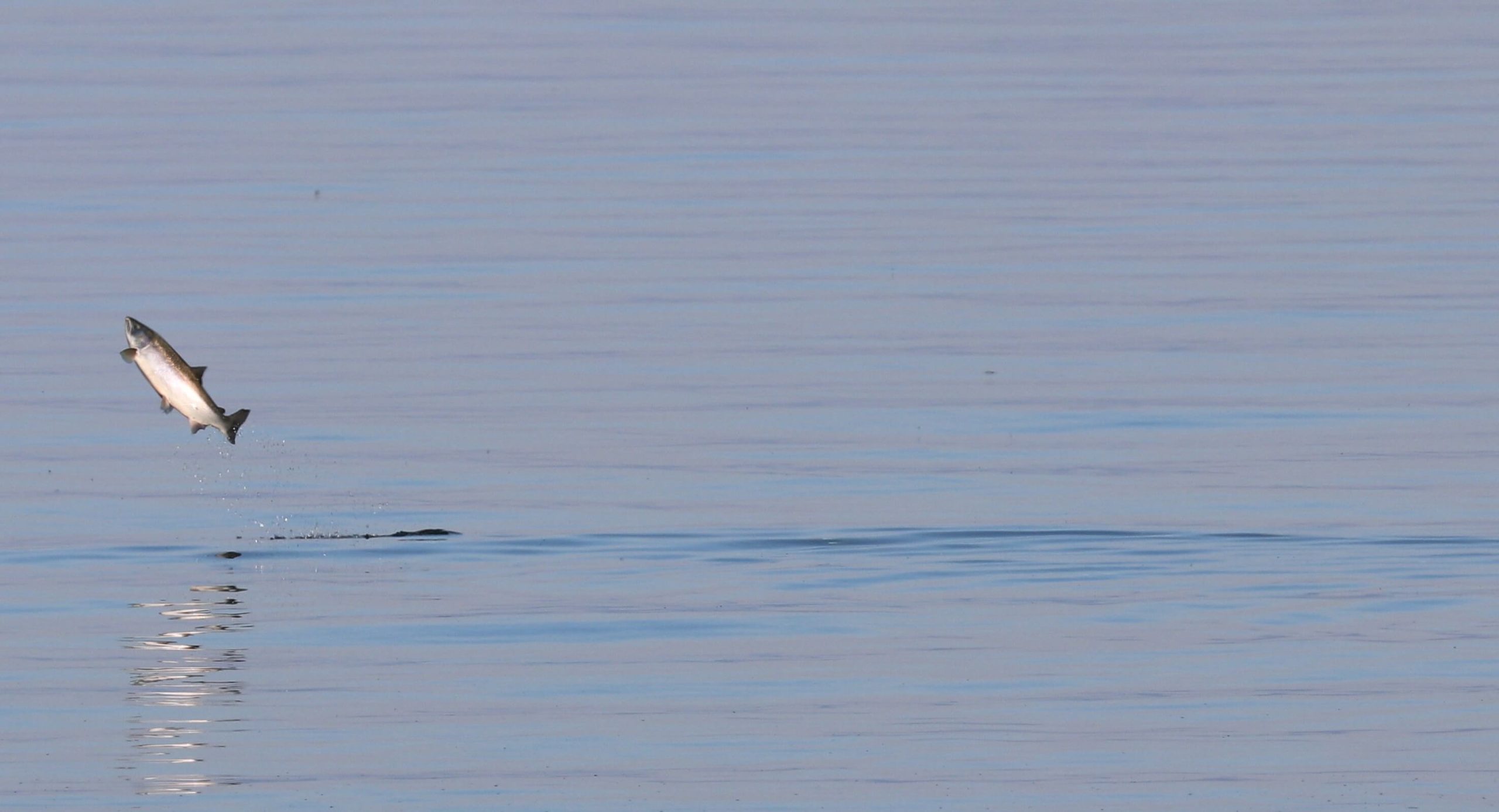
Lake District Aquatic Life
Beneath the surface of the Lake District’s waters lies a world teeming with life.
Arctic char, a relic from the last ice age, still swims in the depths of Windermere and Wastwater.
These remarkable fish have adapted to survive in the cold, deep waters of the lakes.
Atlantic salmon make epic journeys from the sea to spawn in the rivers and streams of the Lake District, leaping up waterfalls and battling strong currents in one of nature’s most impressive migrations.
The region’s ponds and wetlands support a variety of amphibians, including the great crested newt, a protected species in the UK.
Frogs and toads also play vital roles in these aquatic ecosystems.

Insects and Invertebrates in the English Lake District
The Lake District’s meadows, woodlands, and fell-sides are home to a myriad of insects and invertebrates.
Butterflies like the high brown fritillary, one of the UK’s most endangered species, can be found flitting through sunny glades.
Dragonflies and damselflies add flashes of iridescent colour to the margins of lakes and ponds, while the nationally scarce northern brown argus butterfly clings to existence on limestone outcrops.

What Animals Are Farmed in the Lake District?
The Lake District is known for its traditional farming practices, which have shaped the landscape for centuries. Here’s an overview of the animals commonly farmed in the region:
1. Sheep: The most iconic farm animal in the Lake District. Breeds include:
- Herdwick: Native to the area and known for their hardiness.
- Swaledale: Another hardy breed suited to the upland landscape.
- Rough Fell: Well-adapted to the harsh fells.
2. Cattle: While less common than sheep, cattle are still important. Breeds include:
- Beef cattle: Various breeds for meat production.
- Dairy cows: For milk production, often in the lower-lying areas.
3. Poultry: Many farms keep chickens for eggs and meat.
4. Pigs: Some farms raise pigs, though less commonly than sheep or cattle.
5. Goats: A small number of farms keep goats for milk and cheese production.
6. Alpacas: While not traditional, some farms have diversified to include alpacas.
7. Bees: Beekeeping is practised for honey production and to support pollination.
Farming in the Lake District often focuses on traditional and sustainable practices, with many farms participating in environmental stewardship schemes.
The animals, particularly the sheep, play a crucial role in maintaining the region’s distinctive landscape.
Would you like more information on any specific aspect of farming in the Lake District?
Conservation Efforts in the Lake District
The preservation of the Lake District’s wildlife is an ongoing effort involving numerous organisations and individuals.
The Lake District National Park Authority plays a crucial role in managing habitats and monitoring wildlife populations.
Local wildlife trusts, such as Cumbria Wildlife Trust, work tirelessly to protect and restore key habitats, from upland peat bogs to lowland meadows.
These efforts not only benefit wildlife but also contribute to flood prevention and carbon sequestration.
Visitors to the Lake District can contribute to conservation efforts by following the Countryside Code, supporting local conservation charities, and participating in citizen science projects that help monitor wildlife populations.

Some Great Spots for Wildlife Watching
While wildlife can be encountered anywhere in the Lake District, some locations are particularly fruitful for nature enthusiasts:
- Haweswater: A good spot for red deer watching, especially during the autumn rut.
- Derwentwater: Offers opportunities to see otters and a variety of waterbirds.
- Grizedale Forest: Home to red kites and a stronghold for red squirrels.
- Dubwath Silver Meadows: A wetland nature reserve great for dragonflies and wading birds.
Remember that wildlife watching often requires patience and quiet observation.
The early morning and late evening are typically the best times to spot many animals.
Tips for Responsible Wildlife Watching
When enjoying the Lake District’s wildlife, it’s crucial to do so responsibly:
- Maintain a respectful distance from animals to avoid causing stress or disruption.
- Use binoculars or a spotting scope for close-up views rather than approaching animals.
- If photographing wildlife, use a long lens and never prioritise getting a photo over the animal’s wellbeing.
- Stay on marked paths to avoid damaging fragile habitats.
- Take all litter home with you, including biodegradable items.
Some Final Notes on Animals in the Lake District
The Lake District’s wildlife is a precious natural heritage, as integral to the region’s character as its stunning landscapes.
From the charismatic mammals that roam the fells to the tiny insects that pollinate wildflower meadows, each species plays a vital role in the ecological tapestry of this beautiful corner of England.
By appreciating and protecting this diversity, we ensure that future generations can continue to marvel at the natural wonders of the Lake District.
Whether you’re a seasoned naturalist or a casual observer, the wildlife of the Lake District offers endless opportunities for discovery and wonder.
So next time you visit, take a moment to look and listen – you never know what amazing creatures you might encounter in this truly special part of the world.
